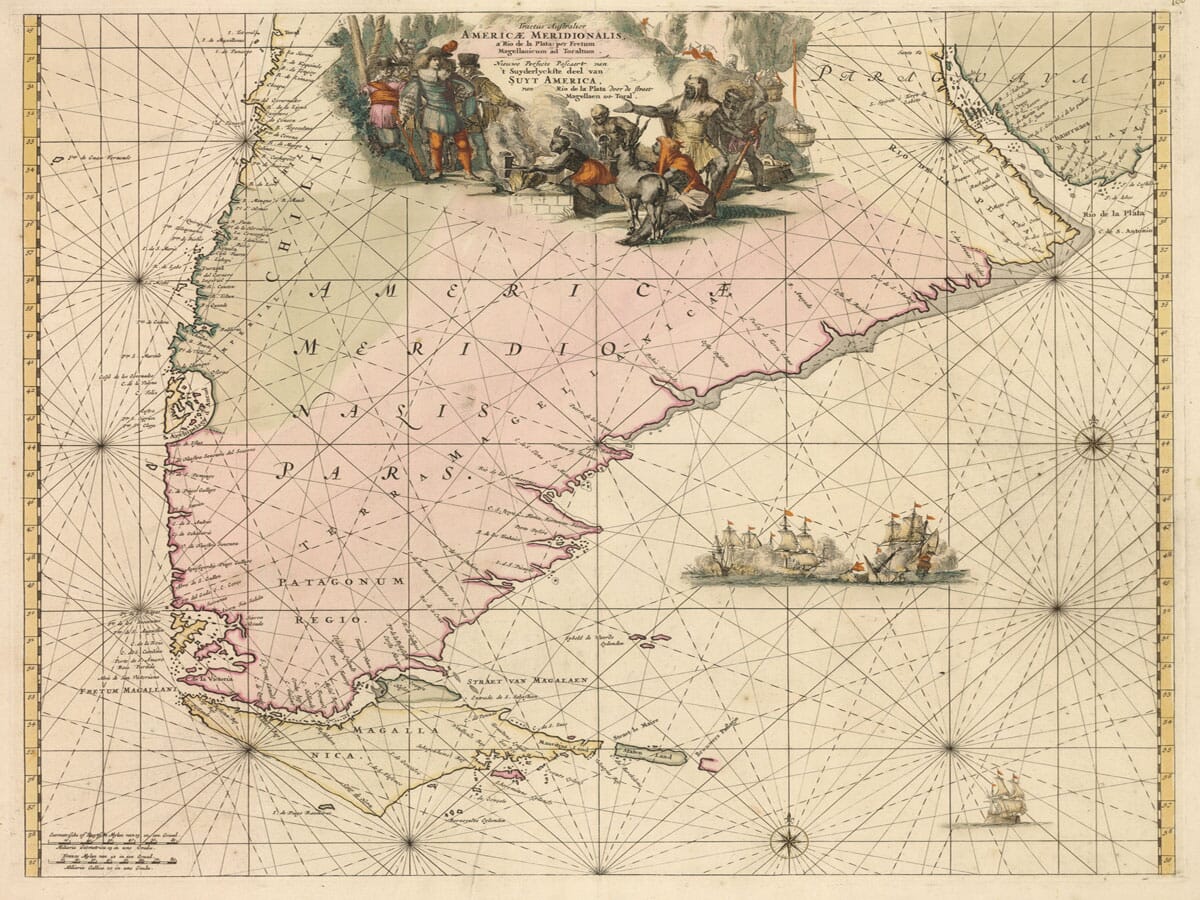
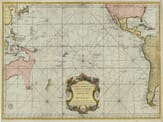
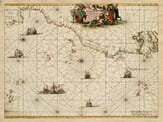
This is one of those maps that was functional and decorative and it’s quietly become one of my favourite pieces in the collection.
The Strait of Magellan sits right at the bottom of South America, where land breaks apart into islands and channels and the weather rarely behaves. Even today it feels remote. Five hundred years ago, it must have felt almost unreal. For sailors heading south, this was not a known route so much as a question mark.
The strait is named after Ferdinand Magellan, who sailed through it in 1520 while searching for a passage between the oceans. He didn’t know what lay ahead, only that something might be there. Early charts of the area were built slowly, from observation and repetition rather than certainty. They were revised, argued over, and sometimes wrong.
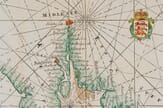
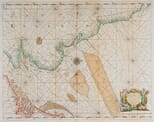
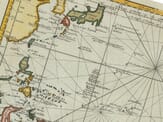
You can see that uncertainty here. The coastline doesn’t feel fixed or confident. It bends and shifts, as though it’s still being worked out. There’s a sense that the map is recording experience rather than presenting fact. The islands around Tierra del Fuego feel scattered and restless, just as they would have appeared from the deck of a ship fighting wind and tide.
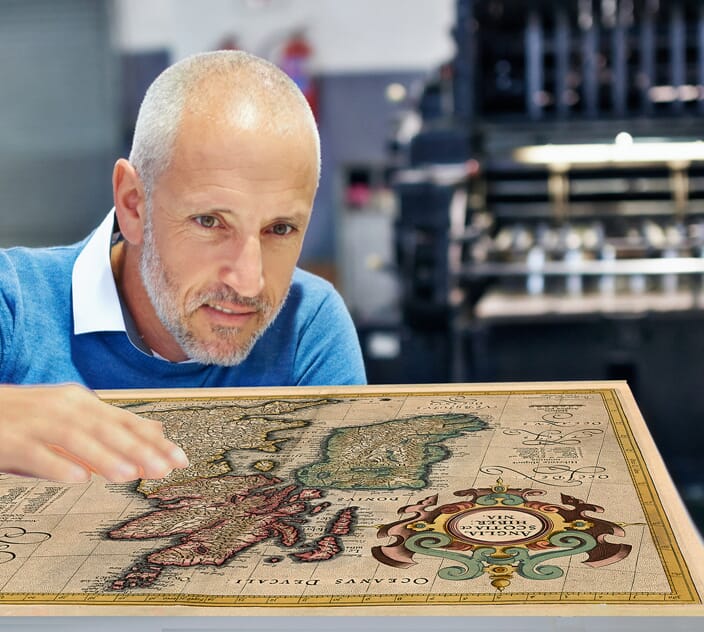
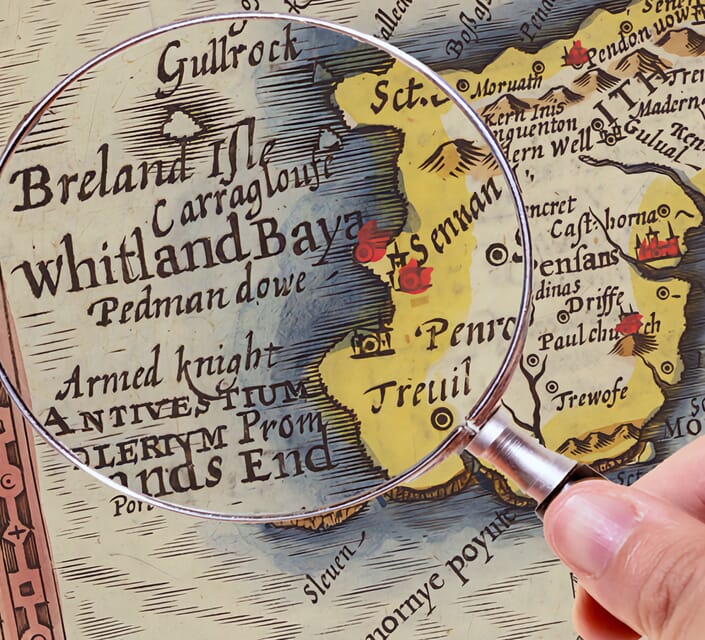
We’ve taken great care to ensure that our reproduction stays as close to the character of the original. Printed on textured paper using fine art giclée methods, it keeps the softness and depth you expect from an old chart, without trying to sharpen it into something modern. It doesn’t shout for attention. It rewards looking.
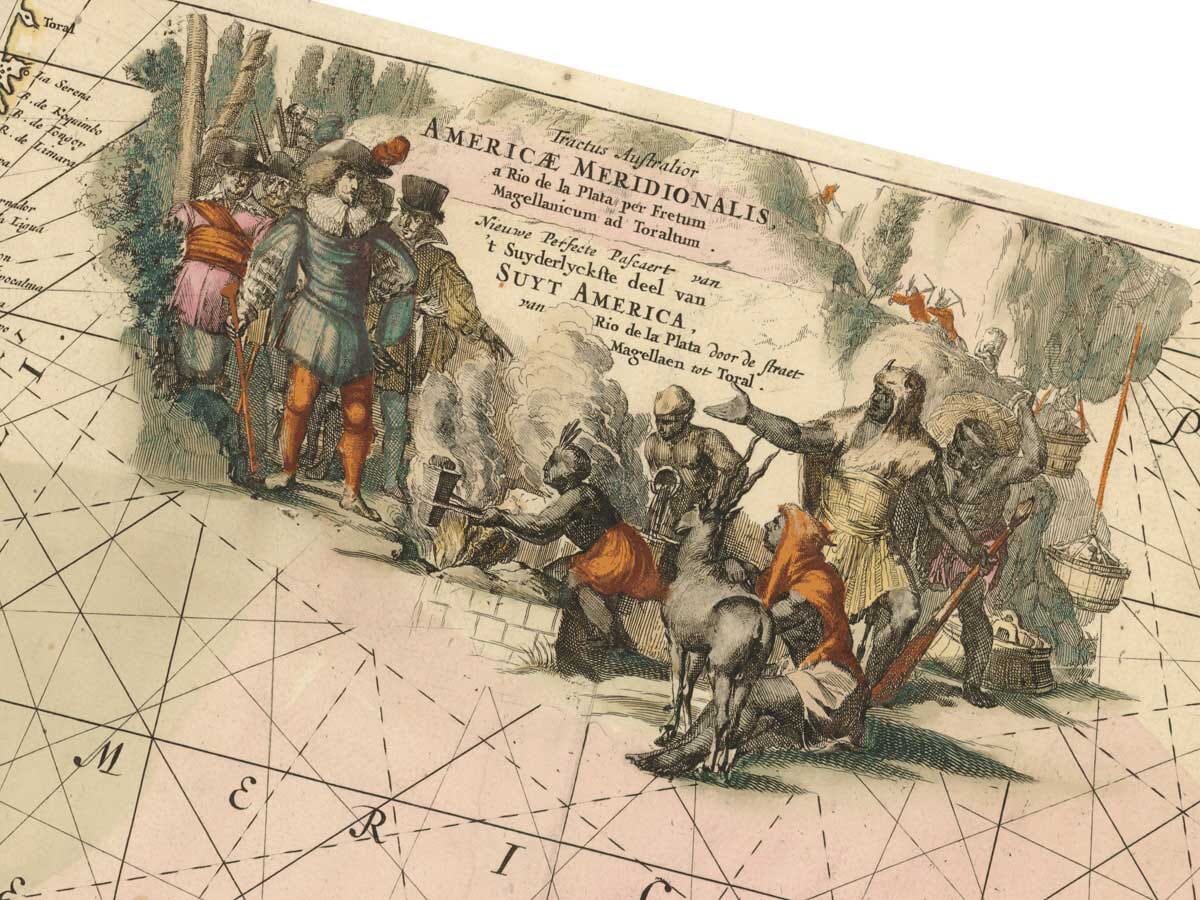
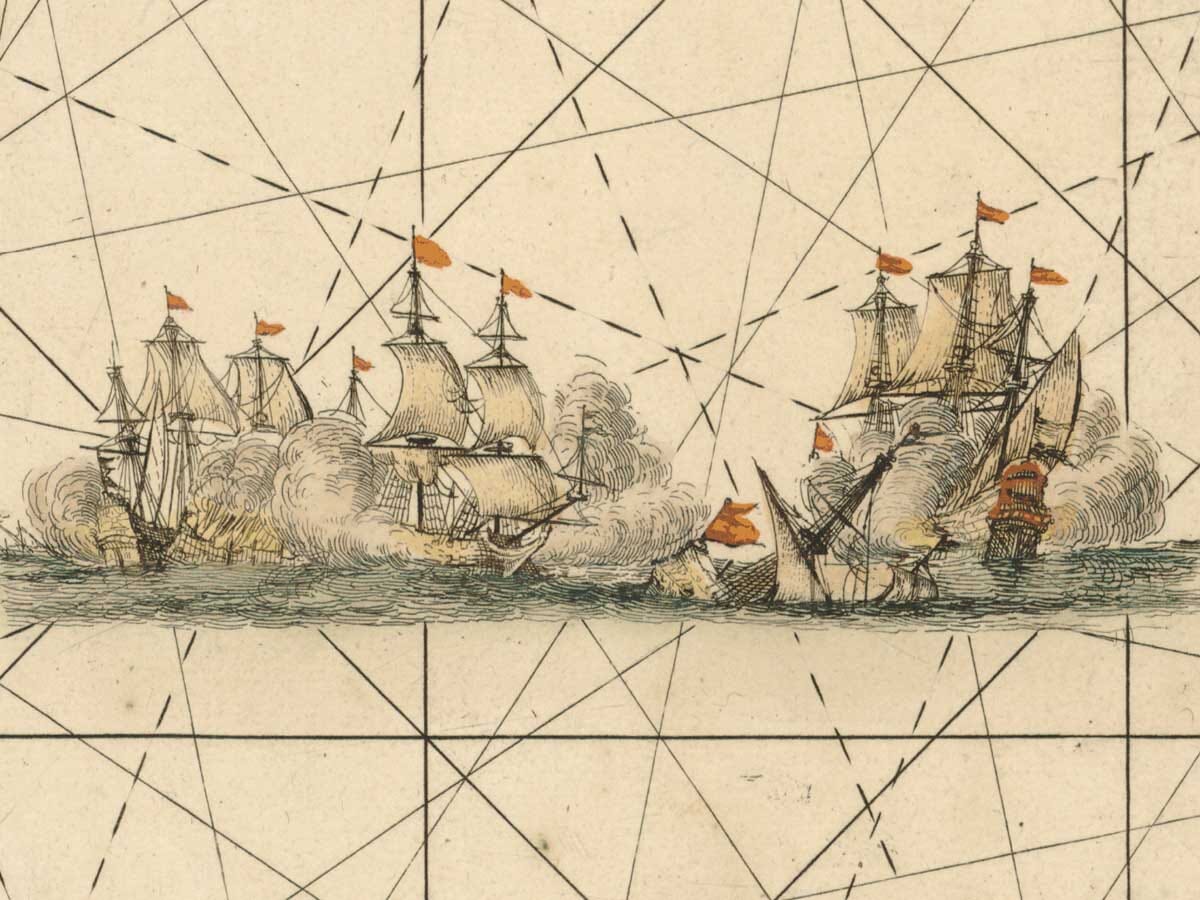
Placed on a wall, it works quietly. Over time you start to notice small details — a curve of coast, an unfamiliar name, the space left blank where knowledge once ran out. It’s a map from a moment when the world wasn’t finished yet, and that’s exactly where its appeal lies.