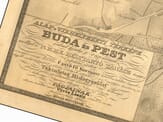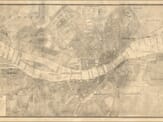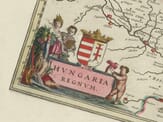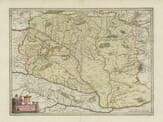
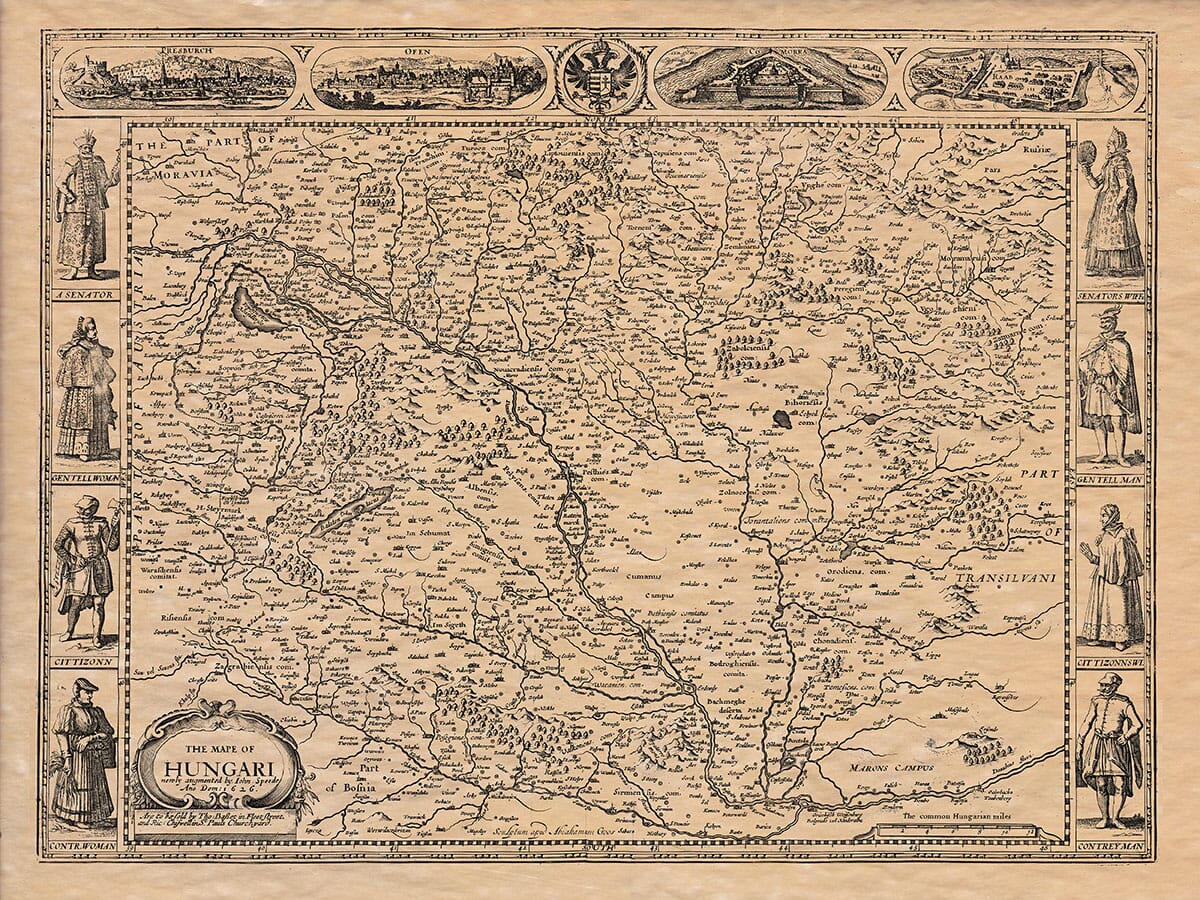
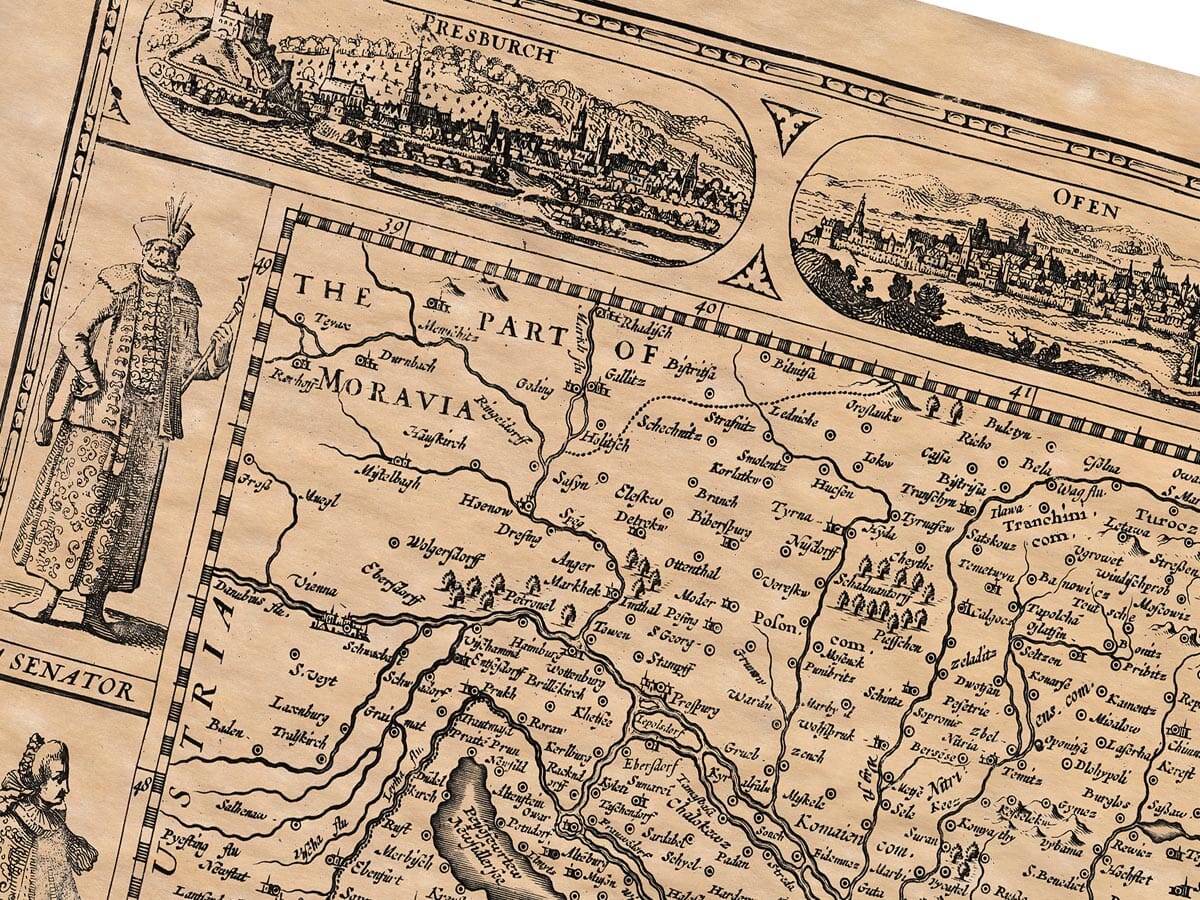
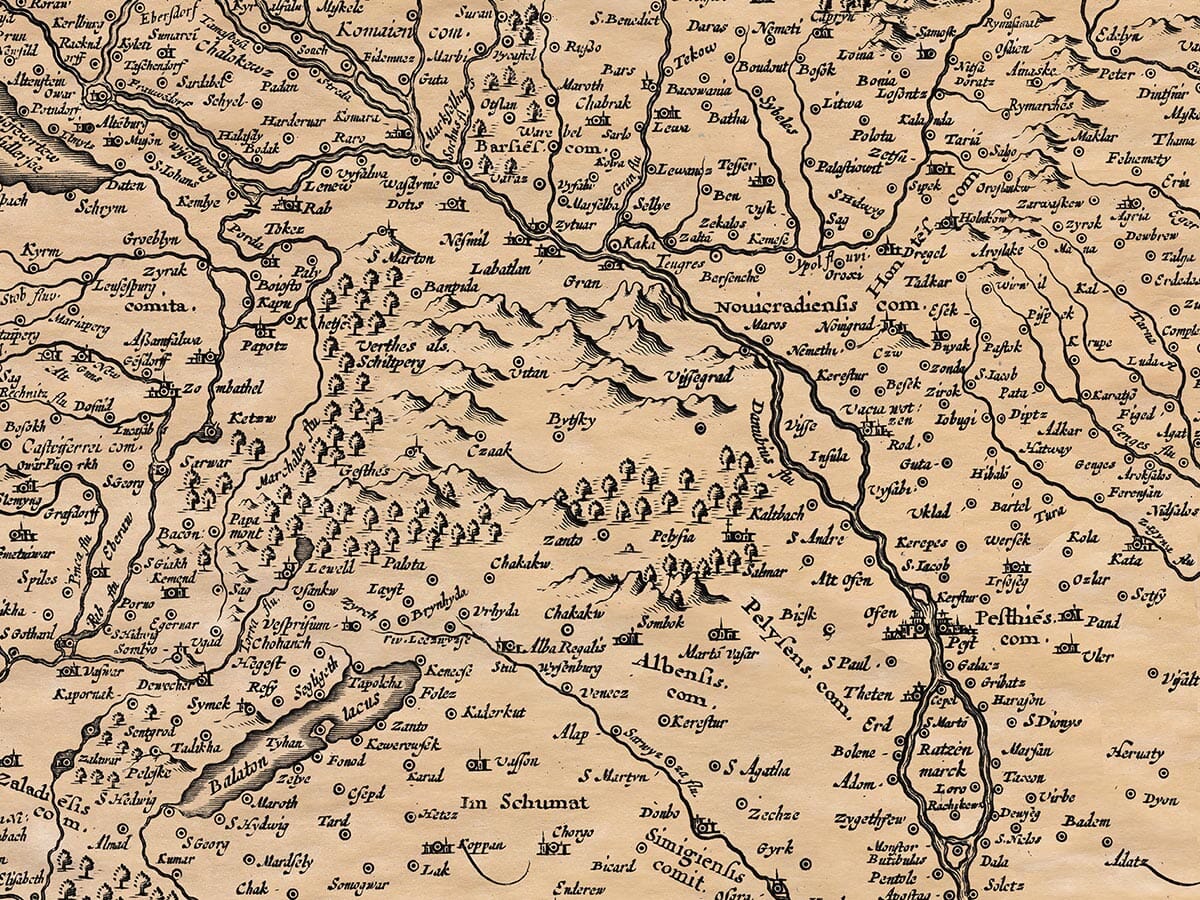

Verso of John Speed’s Old Map of Hungary translated into modern English
It isn’t unusual for historians to describe not only modern Hungary but also the larger region once called Dacia, since time and history have split them apart. Today, they have their own rulers, laws, languages, and religions. I’ll describe Hungary in full to avoid the trouble of dividing it into separate sections.
Location & History:
Hungary lies southeast of Germany and borders Austria. In the past, both shared the land called Pannonia—Austria having the more prosperous half. Now, they are separate territories. Austria has become more powerful, producing many German princes and influencing the election of the Holy Roman Emperor.
Hungary’s Sovereignty:
Hungary remains an independent kingdom. Though not as wealthy or populous as before, this decline came not from weakness, but from constantly defending Europe from Turkish invasions. Because of this, it’s sometimes called “the Cockpit of the World”—a place where rulers frequently fight, win, or lose territory.
Early Inhabitants:
The earliest people were the Pannonians, who were driven out by the Getae (a Gothic tribe). When the Goths moved to Italy, the Huns settled here. The Huns originally lived near the Palus Maeotis (Sea of Azov), but around 373 A.D. they moved west and overran parts of Europe. Later, they were displaced by the Lombards, who had lived in Scandinavia but migrated south due to lack of resources. The Lombards ruled this region until they invaded Italy under Alboin, after which Charlemagne ended their rule.
Rise of the Huns:
After Charlemagne, the Huns returned and grew strong enough to fight the Roman Empire. Around 432 A.D., they chose Attila as king. He styled himself with titles like “Attila, son of Mundzich, fifth from Nimrod, scourge of God.” He was extremely powerful and conquered many lands. However, he died unexpectedly—reportedly choking in his sleep on his own blood after a night of drinking.
Struggles for Control:
Afterward, the Huns were displaced again by the Lombards, and later by Charlemagne. They didn’t firmly control Hungary until the reign of Emperor Arnulf, around 900 A.D. Even today, Hungary struggles to hold the land due to brutal raids by the Tatars. The name “Hungary” comes from the current people and their ancestors, who have lived here for over 1,200 years.
Geography:
Proper Hungary is bordered by Austria to the west, the River Tibiscus to the east, Poland and Russia to the north, and the River Save to the south.
Natural Riches:
The land is incredibly fertile—some say it can grow crops three times a year with little effort. It produces plenty of fruits, grapes (for excellent wine), and livestock. There’s so much meat that Hungary supplies other countries as well. Wild animals like deer, boars, and hares are common food, and birds like pheasants, partridges, and pigeons are plentiful.
Minerals & Rivers:
Hungary has mines full of iron, steel, copper, silver, and gold. Its rivers are useful for trade and even contain gold. The Tibiscus (Tisza) is the main river and stays entirely within the country. Another saying goes that it’s made of two parts water and one part fish due to its abundance. Other rivers include the Danube, Drava, and Sava, all rich in fish and gold.
Springs and Waters:
Some springs have healing powers, others are deadly. One is said to kill those who drink from it, except for birds who can survive its effects.
People & Culture:
The Hungarians are strong, proud, warlike, and not very friendly to outsiders. They don’t value arts or trades much and look down on those who don’t fight. Their greatest shame is to be called a coward, and a man accused of cowardice must prove himself by dueling a Turk. If he wins, he’s considered a true gentleman. Only sons inherit property—daughters get no share. Women bring no dowries except a wedding garment, and until marriage, they sleep separately. Their language is Slavic, and their religion is mixed—some are Catholic, most are Protestant. Christianity was introduced here more than 600 years ago.