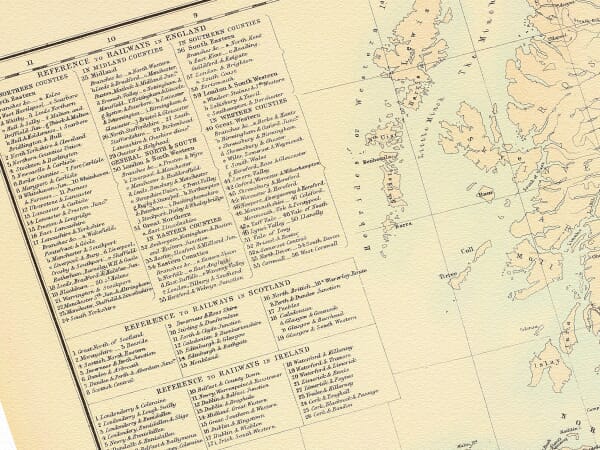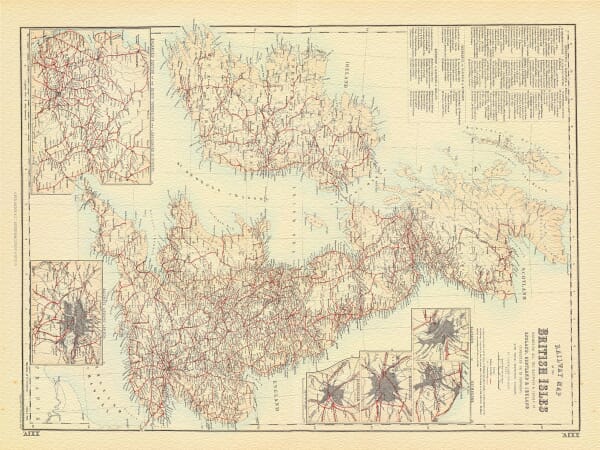
Reading Railway Clock
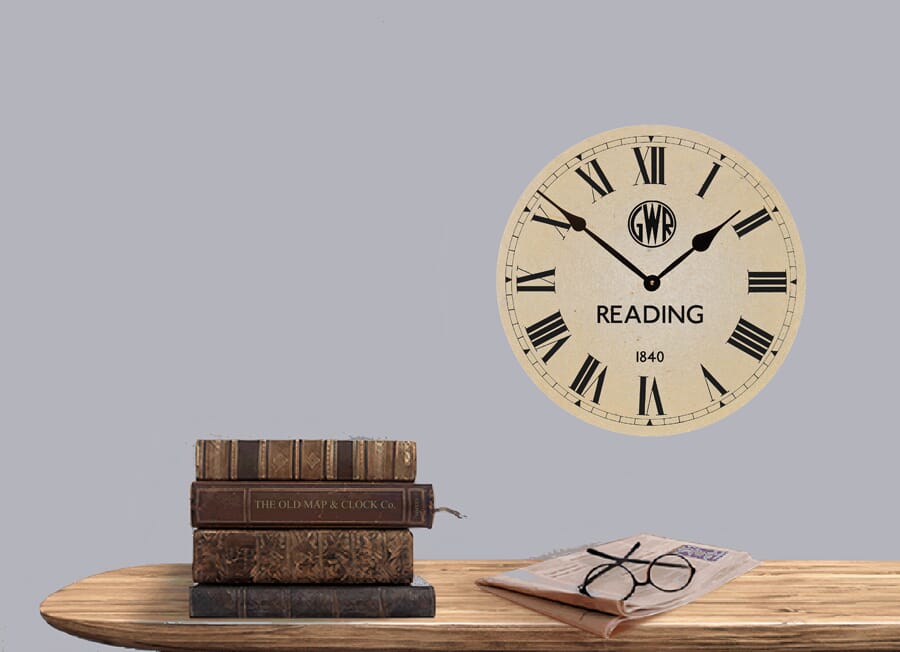
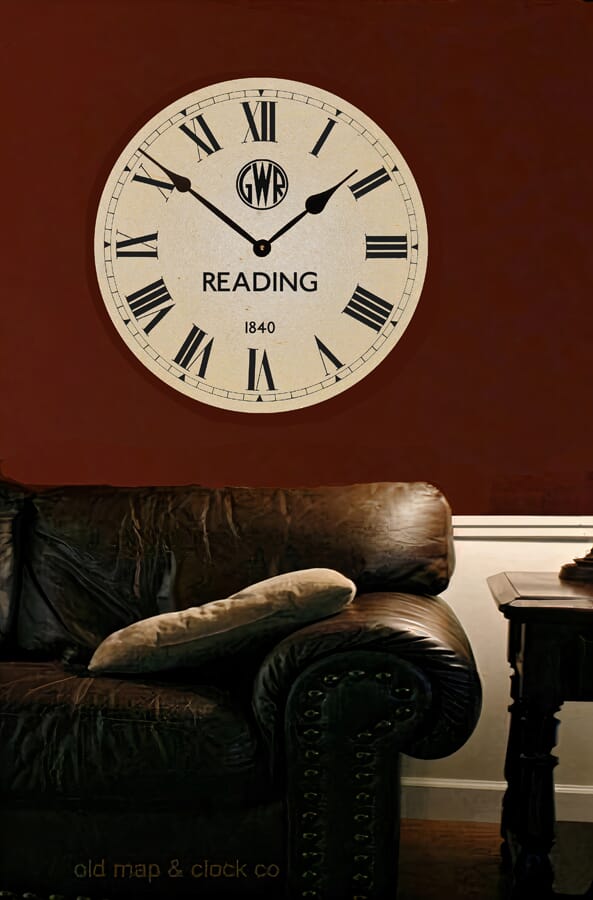
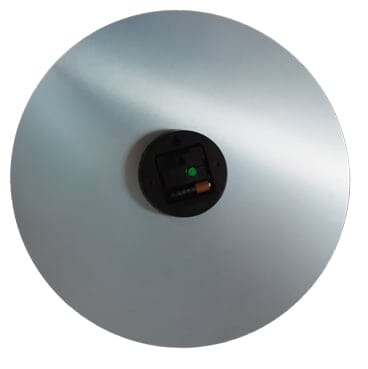
Reading Railway Clock Reading Station Medium Size Clock on Wall Reading Old Station Clock Large on Wall Rear of Metal Designer Clock with Movement

Reading Railway Clock

Price range: £49.95 through £79.95

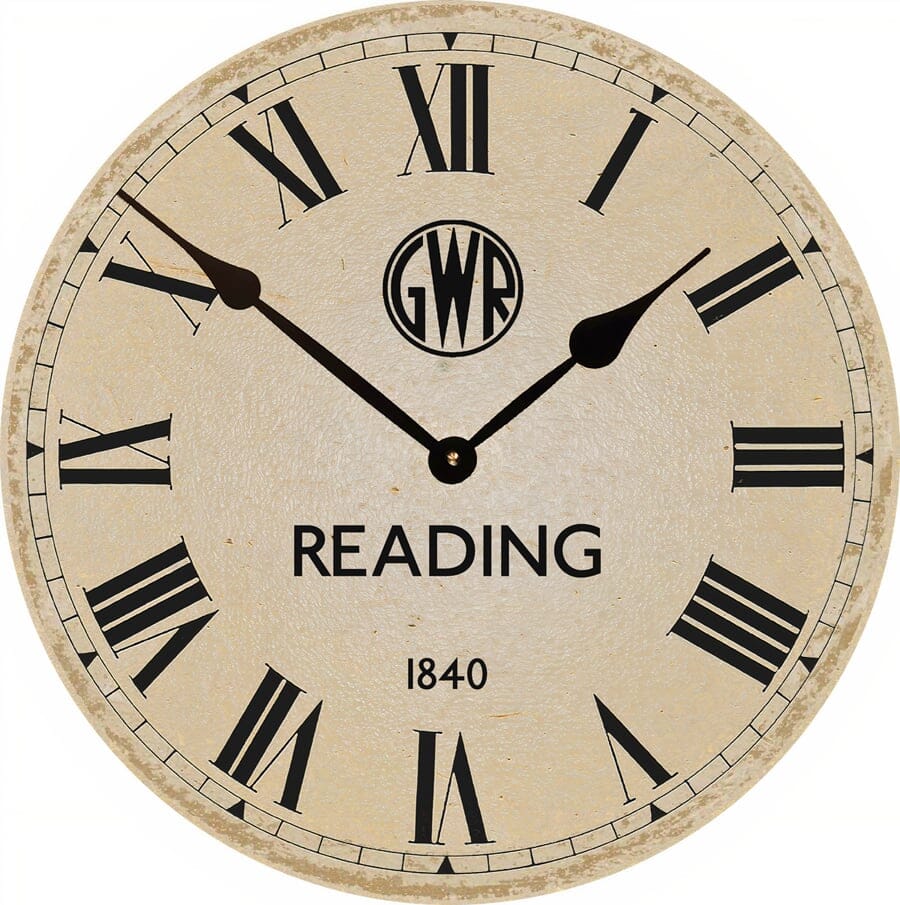
  • Inspired by the iconic railway-station clock faces of 150 years ago, this Reading Railway Clock makes a stylish design statement—perfect for modern or traditional interiors, whether at home or in the office.

    • Exclusive design & craftsmanship — Exclusive to The Old Map and Clock Company and made to order, this station clock is manufactured to the highest standards by our small, passionate team in Cornwall.
    • Authentic vintage look — The dial is metal to replicate the original, it’s specially coated and individually printed with a subtly distressed face, creating a timeworn feel. Produced without a case, this stripped-back, on-trend look suits modern interior design.
    • Period-accurate details — Carefully researched details and date are complemented by elegant metal hands faithful to the era.
    • Precision quartz movement — A high-torque, battery-powered mechanism ensures reliable timekeeping.
    • Uncompromising quality — Crafted with superior materials to stand the test of time.
    • Two sizes — Large: 16″ (41 cm); Medium: 12″ (30 cm)

SKU: N/A Categories: , Tag:

Description

Reading Station c.1900

The Façade c.1900 

Reading Railway Station has a long and fascinating history and it plays an important role in both the city’s development and the history of the GWR infrastructure.  A Grade II Listed Building it retains many of the station’s historical Victorian architecture.

Early Beginnings

  • The station originally opened in 1840 as the terminus of the Great Western Railway (GWR) as featured on the clock. At that time, the railway system was expanding rapidly across Britain, and Reading became an important hub in the network, connecting London to the west.
  • Reading Station initially consisted of just a simple building, but as railway traffic increased, so did the need for improvements.

The Victorian Era

  • In the 1850s, there were major upgrades to the station, including the addition of a new station building and platform improvements. The iconic Maidenhead Bridge was also constructed during this period, which helped with the growing number of trains entering and leaving the station.Maidenhead Bridge
  • Maidenhead Bridge c.1870
  • By the late 1800s, Reading became an increasingly important railway junction, connecting lines from the South West, South Wales, and London.

20th Century Developments

  • In the 1930s, further renovations took place, including the addition of more modern facilities, but the station also suffered significant damage during World War II due to bombings.
  • After the war, the station was gradually rebuilt, and services expanded.

Additional information

Size

,

You may also like…

×
Product added to cart
Subtotal: £179.95